
Journal / Essay
Notes from the intersection of technology, science, and people.
Sep 29, 2025 / 7 min read / mars
Life Beyond Earth : The Stunning Evidence from Mars Ancient Lakebeds
NASA's Perseverance rover has uncovered the most compelling evidence yet of ancient microbial life on Mars, hidden within a rock formation called Cheyava Falls that displays intriguing 'leopard spot' patterns.
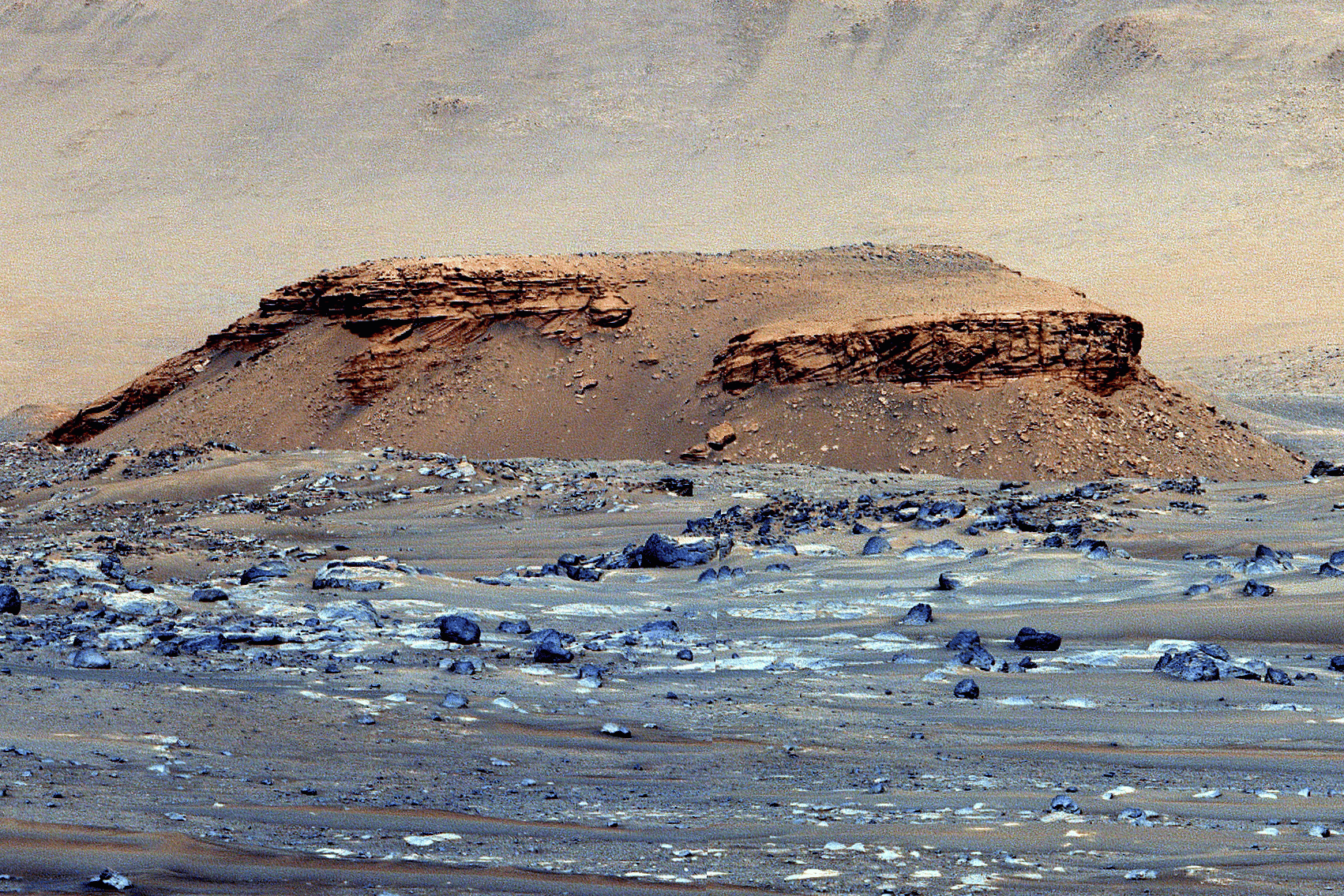
Life Beyond Earth : The Leopard Spots That Could Rewrite History
In the vast expanse of Jezero Crater, where ancient rivers once carved their paths through Martian terrain billions of years ago, NASA's Perseverance rover has stumbled upon what could be humanity's most significant discovery yet: compelling evidence that life once thrived on the Red Planet.
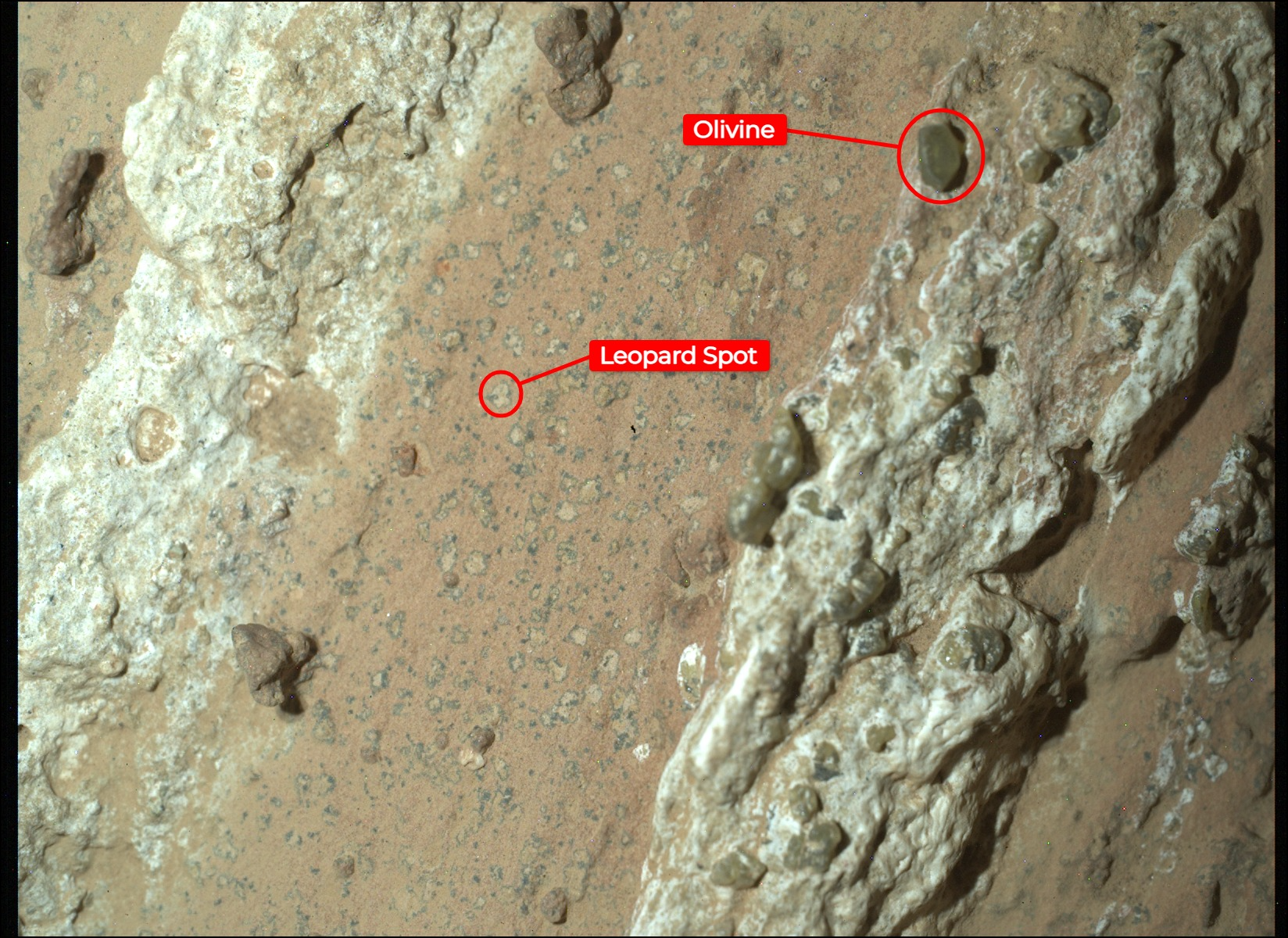 Biological Signatures in Jezero Crater (Credit: JPL)
The Discovery That Has Scientists Buzzing
The story begins with an arrow-shaped rock, roughly 3.2 by 2 feet in size, that caught the attention of Perseverance's cameras in July 2024. Scientists named it Cheyava Falls, after a majestic waterfall in the Grand Canyon a fitting tribute to what could become one of the most momentous discoveries in human history.
What makes this rock extraordinary isn't its size or shape, but the mysterious "leopard spots" scattered across its surface millimeter-sized patterns that bear an uncanny resemblance to biosignatures found in ancient Earth rocks where microbial life once flourished.
What exactly are biosignatures?
Biosignatures are chemical, physical, or geological features that provide scientific evidence of past or present life. On Earth, similar leopard-spot patterns are often found in sedimentary rocks where ancient microbes lived and died, leaving behind mineral traces of their biological processes.
The Chemistry of Ancient Life
Perseverance's sophisticated instruments - PIXL (Planetary Instrument for X-ray Lithochemistry) and SHERLOC (Scanning Habitable Environments with Raman and Luminescence for Organics and Chemicals)—revealed a fascinating chemical cocktail within the Cheyava Falls sample, dubbed "Sapphire Canyon."
The rock contains two key minerals that have scientists particularly excited:
- Vivianite: An iron phosphate mineral that on Earth forms in oxygen-poor, water-rich environments often associated with decaying organic matter
- Greigite: An iron sulfide that certain Earth microbes can produce as part of their metabolic processes
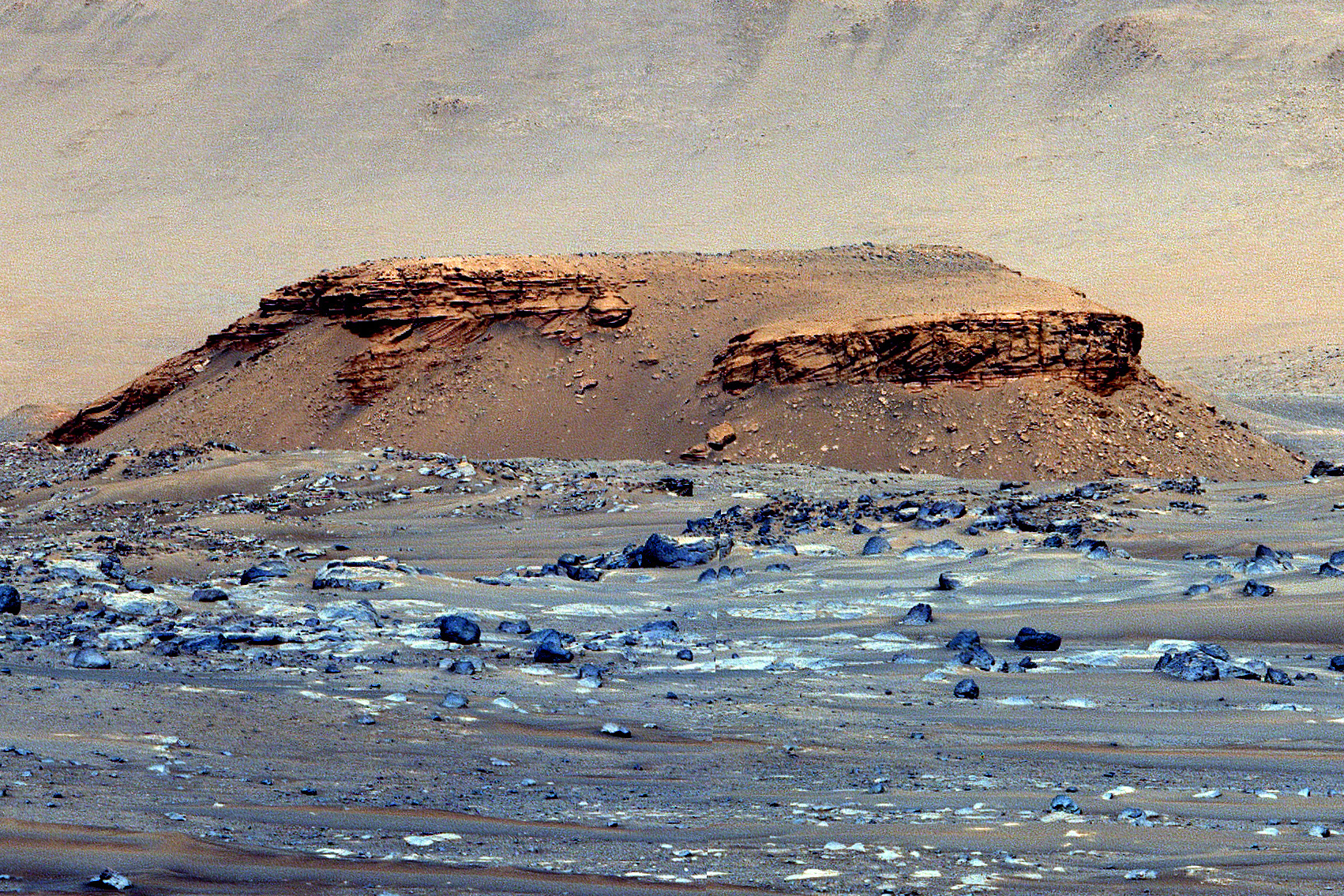 Jezero Crater might be an ancient lake
A Window Into Mars' Watery Past
The location of this discovery tells a story that spans billions of years. Cheyava Falls sits within the Bright Angel formation, rocky outcrops along the edges of Neretva Vallis—an ancient river valley that once channeled rushing water into Jezero Crater approximately 3.5 billion years ago.
During this era, Jezero Crater hosted a vast lake system, complete with river deltas and sedimentary deposits. The fine-grained mudstone containing the leopard spots formed from sediment that settled on this ancient lakebed, creating ideal conditions for preserving any microbial life that might have existed.
The Perfect Storm for Life
Three critical ingredients for life converged in this ancient Martian environment:
| Ingredient | Evidence Found |
|---|---|
| Liquid Water | Ancient lake bed sediments and river channel formations |
| Organic Compounds | Carbon-bearing molecules detected throughout the sample |
| Energy Source | Chemical reactions between iron, sulfur, and phosphorus compounds |
The Scientific Scrutiny
Before announcing their findings, NASA scientists spent over a year rigorously testing alternative explanations for the observed patterns. Could volcanic activity have created these features? What about non-biological chemical reactions?
The research team explored multiple non-biological scenarios:
- High-temperature volcanic processes
- Acidic chemical weathering
- Impact-related heating events
However, none of these alternatives adequately explained the specific combination of minerals, organic compounds, and structural patterns observed in Cheyava Falls.
What This Means for Humanity
If confirmed through future analysis, this discovery would represent far more than a scientific milestone - it would fundamentally reshape our understanding of life in the universe.
According to geologist Michael Tice, if the Cheyava Falls findings ultimately prove biological origin, it would mean "two different planets hosted microbes getting their energy through the same means at about the same time in the distant past." This could suggest that life finds similar pathways to emerge and survive, regardless of its planetary origin.
The Road Ahead: Bringing Mars to Earth
While the current findings are compelling, definitive proof requires more sophisticated analysis than even Perseverance's advanced instruments can provide. The sealed Sapphire Canyon sample awaits future retrieval through NASA's ambitious Mars Sample Return mission.
This multi-billion dollar endeavor faces significant challenges:
- Engineering complexities of landing, collecting, and launching from Mars
- Planetary protection protocols to prevent contamination
- International cooperation with the European Space Agency
- Projected costs ranging from $5.5 to $7.7 billion
Mars Sample Return Timeline
Current Status: NASA is evaluating two simplified mission architectures to reduce complexity and cost.
Target Return: Between 2035-2039, significantly earlier than the original 2040 projection.
Competition: China's Tianwen-3 mission aims to return Mars samples by 2031, potentially beating NASA to this historic achievement.
Beyond the Leopard Spots
The Cheyava Falls discovery represents just one piece of a growing puzzle. Perseverance has collected 33 samples from 43 available tubes, including igneous and sedimentary rocks that chronicle different periods of Martian history. Each sample tells part of the story about Mars' evolution from a potentially habitable world to the cold, dry planet we observe today.
Recent discoveries from other Mars missions have also contributed to this narrative:
- Organic compounds detected in multiple locations across Mars
- Evidence of subsurface liquid water
- Seasonal methane emissions that could indicate ongoing geological or biological processes
The Conservative Approach
Despite the excitement surrounding these findings, the scientific community maintains appropriate caution. NASA uses a Confidence of Life Detection (CoLD) scale that requires multiple lines of evidence and exhaustive testing of alternative explanations.
The Cheyava Falls sample currently ranks relatively low on this scale, but it represents the most promising lead discovered to date.
A New Chapter in Space Exploration
As we stand at this pivotal moment in space exploration, the leopard-spotted rock from an ancient Martian riverbed reminds us that the universe may be far less lonely than we once imagined. Whether or not these patterns ultimately prove biological in origin, they have already advanced our understanding of Mars' potential for supporting life.
The discovery also highlights the remarkable engineering achievement of the Perseverance mission - a robotic geologist operating 140 million miles from Earth, capable of conducting sophisticated chemical analysis and preserving samples for future generations of scientists.
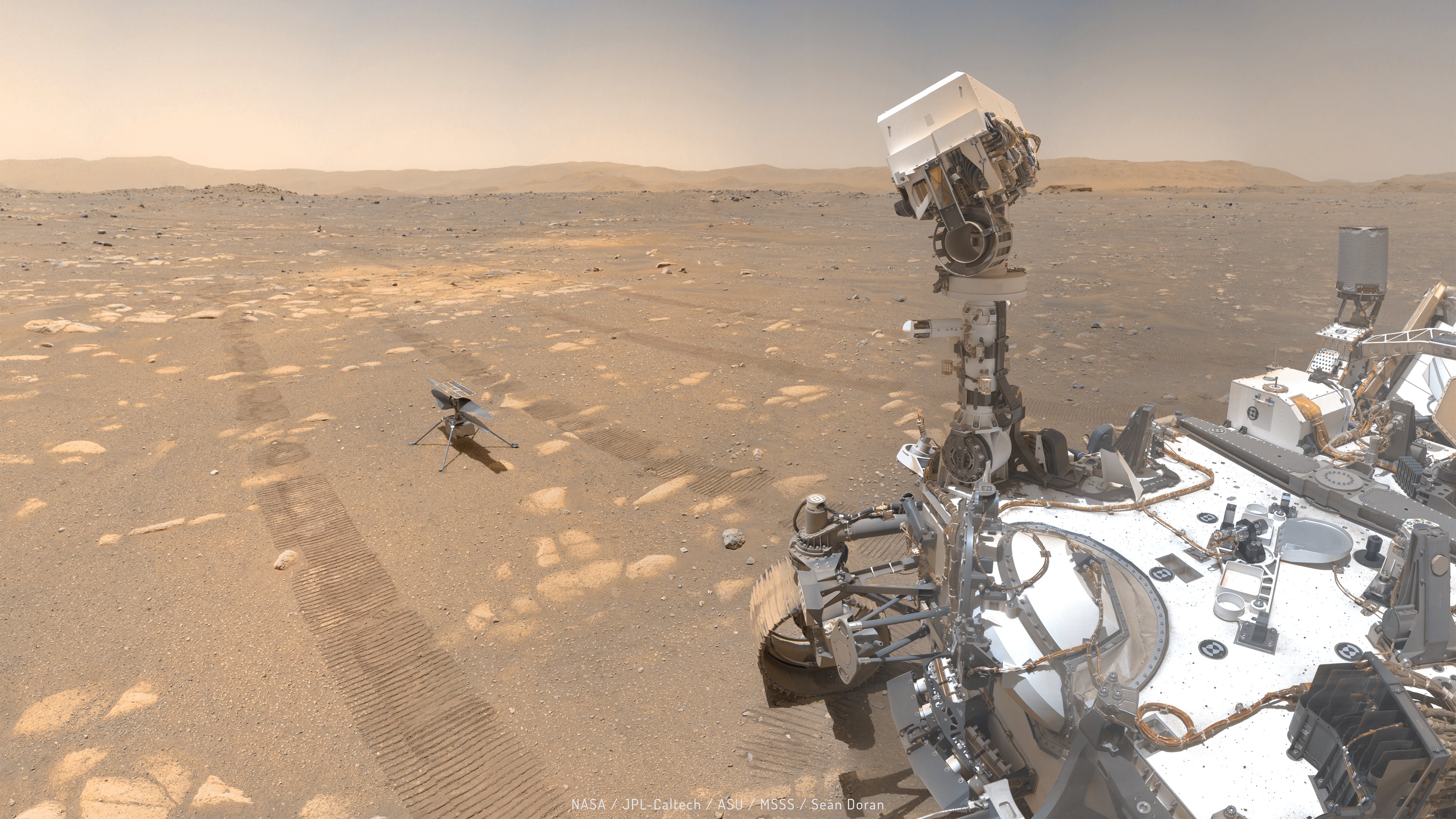 Perseverance Rover on Mars
The Next Frontier
As we await the return of Martian samples to Earth, the search for life continues across our solar system. From the subsurface oceans of Europa and Enceladus to the methane lakes of Titan, each world offers unique possibilities for discovering life beyond Earth.
The Cheyava Falls discovery serves as a powerful reminder that life's signature might be hidden in the most unexpected places-sometimes in patterns as simple and beautiful as leopard spots on an ancient rock, waiting billions of years for curious explorers to uncover their secrets.
Whether these spots ultimately represent fossilized Martian microbes or sophisticated chemical processes, they have already changed how we view our place in the cosmos. In the words of Acting NASA Administrator Sean Duffy, this discovery represents "the closest we have ever come to discovering life on Mars" and that alone makes it worthy of wonder.
The complete research findings were published in Nature on September 10, 2025, following rigorous peer review. NASA continues to analyze additional samples collected by Perseverance as the search for life on Mars enters its most promising phase yet.